
Introduction
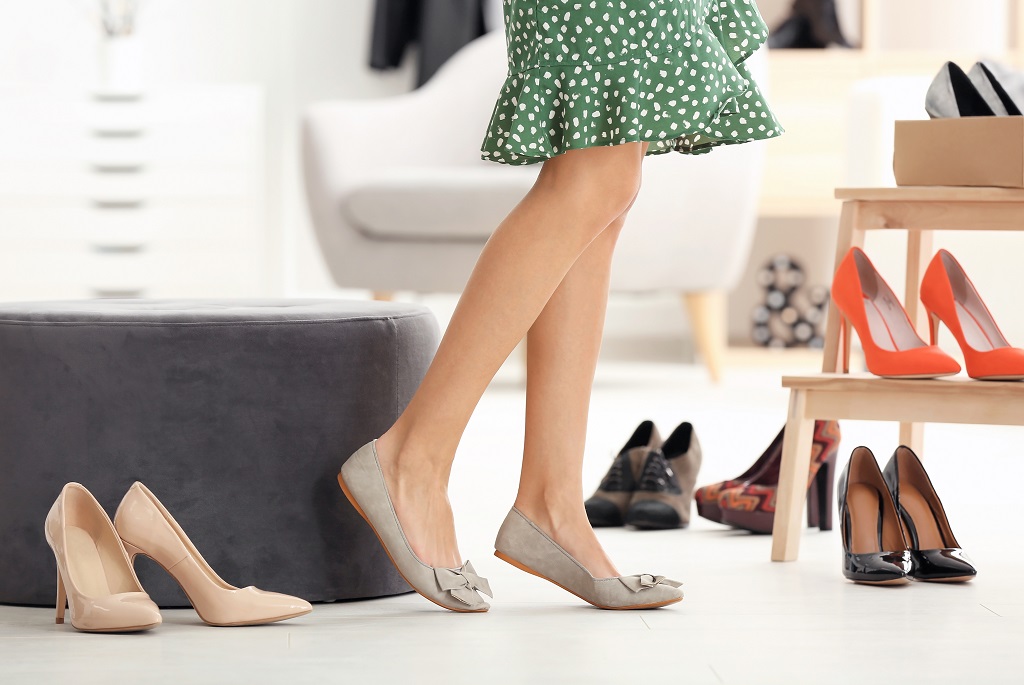
Buying a new pair of shoes can be an enjoyable experience, but sometimes it turns into pain and fatigue if the choice was wrong. Many women and girls buy shoes that look beautiful, and after the first wear discover they're uncomfortable or don't suit their day. That's why it's very important that you know Basic tips before buying any shoe, whether for work, everyday outings, or evening occasions. In this article we'll give you a simple guide to help you choose the right shoe from the very first time.
1. Define the shoe's use before buying
The first question you need to ask yourself:
What will you wear this shoe for?
- For work
- Everyday outings
- For long walks
- Outings and events
Every use has a different type of shoe, and choosing the wrong type will make the shoe tiring even if it looks beautiful.
2. Comfort matters more than looks
Looks matter, but comfort matters more.
A comfortable shoe:
- Doesn't press on the foot
- Doesn't cause pain from the very first wear
- Stable when walking
If you felt pressure or discomfort in the store, believe me, that feeling will only get worse after wearing it.
3. Choose the right size
The wrong size is one of the biggest causes of foot fatigue.
Sizing tips:
- Try the shoe on at the end of the day
- There should be a small gap in front of the toes
- The heel doesn't slip out while walking
Don't rely only on the size number, trying it on in practice matters more.
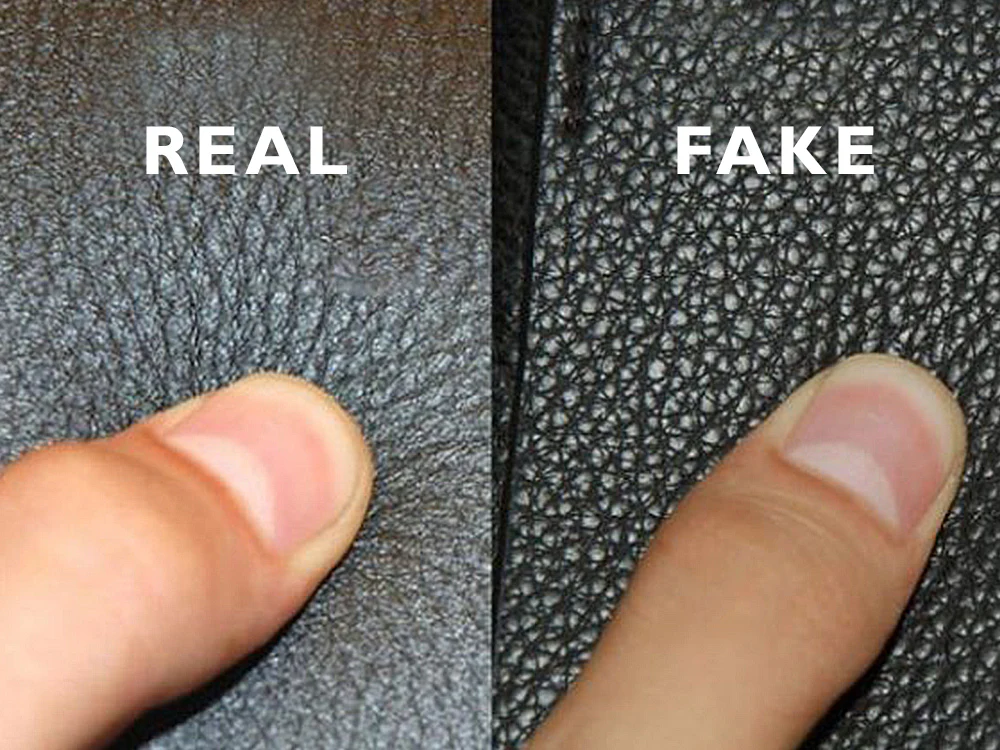
4. Pay attention to the shoe's material
The material greatly affects comfort and lifespan.
- Genuine leather: comfortable and lasts longer
- Quality synthetic: looks nice and costs less
- Poor material: tires the foot quickly
Touch the shoe and press on it — if it feels stiff or inflexible, stay away from it.
5. Focus on the sole (the base)
The sole is the foundation of comfort.
A good shoe:
- Its sole is flexible
- It has light cushioning
- Non-slip
- Isn't too stiff
A poor sole tires the foot even if the size is exact.
6. Try walking in the shoe
Don't settle for just standing in it.
- Walk a little
- Rotate your foot
- Pay attention to any friction or noise
If there's any discomfort, the shoe isn't right for you.
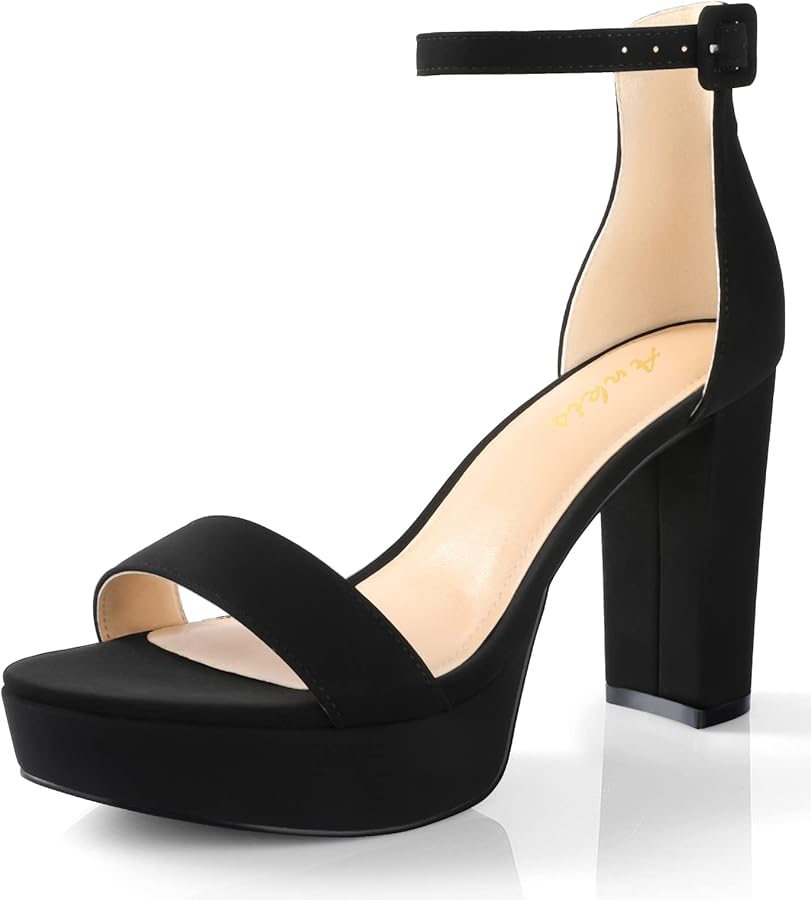
7. Choose a suitable height
For everyday use:
- Flats or a medium heel are more comfortable
- High heels are suitable for short periods
Choosing the right height saves you a lot of fatigue.
8. Don't be tempted by price alone
A cheap price is sometimes tempting, but:
- It may not last long
- Tires the foot
- Will cost you more money over time
It's best to balance price and quality.
Common mistakes to avoid
- Buying a shoe just because of how it looks
- Ignoring the walking test
- Choosing a size that's too tight hoping it will ”stretch”
- High heels for everyday use
In Summary
Buying the right shoe doesn't have to be complicated, but it does require attention.
Before you buy any shoe, focus on:
✔️ Use
✔️ Comfort
✔️ Size
✔️ The material
✔️ The sole
A comfortable shoe makes your day easier and lets you move with confidence.





Leave a comment