
Introduction
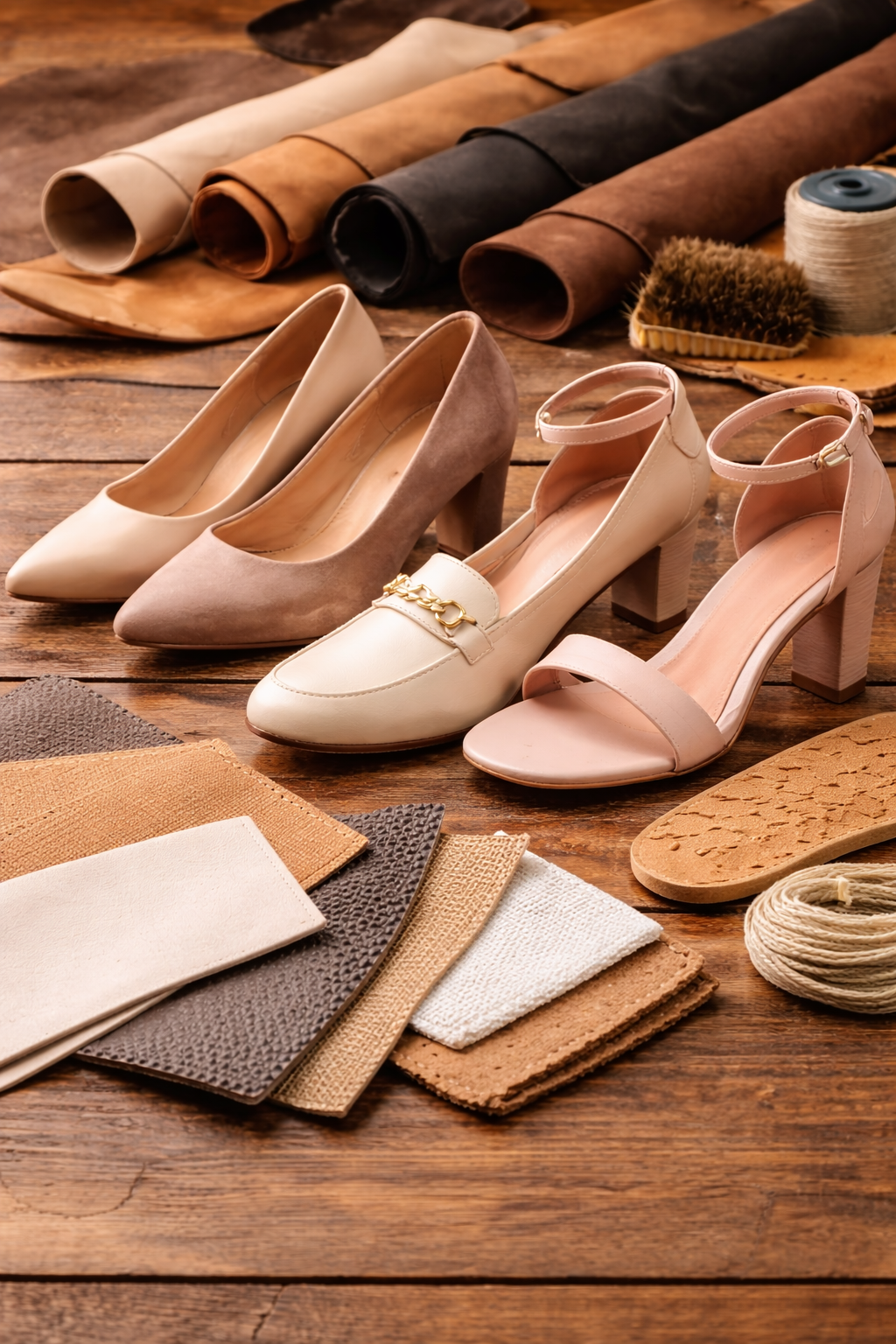
When buying any shoe, many people focus on the shape or the price and forget the most important factor: the material of the shoe. The material is what determines the comfort of your foot, the shoe's lifespan, and how suitable it is for everyday use. Choosing the right material makes a big difference between a shoe that lasts a long time and one that wears out quickly. In this article, we'll get to know The Best and Most Common Shoe Materials on the Market, and the pros and cons of each type, so you can choose correctly.
First: Genuine Leather
Genuine leather is considered one of the best and most well-known materials for shoes.
Benefits:
- Comfortable for your feet
- Breathable and doesn't trap moisture
- Flexible during movement
- Long lifespan
Disadvantages:
- Its price is higher than other materials
- Requires regular care and cleaning
Genuine leather is an excellent choice for everyday use and for people who want comfort and high quality.
Second: Synthetic Leather
Synthetic leather is very popular thanks to its affordable price and wide range of styles.
Benefits:
- Its price is lower
- It has an elegant look
- Available in many colors and designs
Disadvantages:
- Less breathable than genuine leather
- May crack over time
- Its lifespan is shorter
Suitable for light use or for people who change shoes often.
Third: Suede
Suede is a type of leather but with a soft texture and a different look.
Benefits:
- Its look is elegant and luxurious
- Suits polished looks
Disadvantages:
- Gets affected by water quickly
- Requires special care
- Less durable than smooth leather
Suede is a beautiful choice but requires careful use.
Fourth: Fabric
Some shoes are made from fabric materials.
Benefits:
- Lightweight
- Comfortable
- Suitable for everyday use
Disadvantages:
- Get dirty quickly
- Their lifespan is shorter
- Don't hold up under heavy use
They're usually used for light, everyday shoes.
Fifth: Sole Materials (the base)
The sole is a fundamental part of the shoe and no less important than the outer material.
The most common types of soles:
- Rubber: Comfortable and slip-resistant
- Polyurethane: Light and flexible
- Leather: Elegant but less comfortable for long walks
Choosing the right sole gives your foot comfort and prevents fatigue.
How do you choose the right material for you?
Before buying any shoe, ask yourself:
- How many hours will I wear it?
- Everyday use or occasional?
- Do I want comfort or a formal look?
Important tip:
If your use is daily and prolonged, choose a comfortable material even if the price is a bit higher.
Common Mistakes in Choosing Material
- Choosing material based on looks alone
- Ignoring foot ventilation
- Buying poor-quality material because of the price
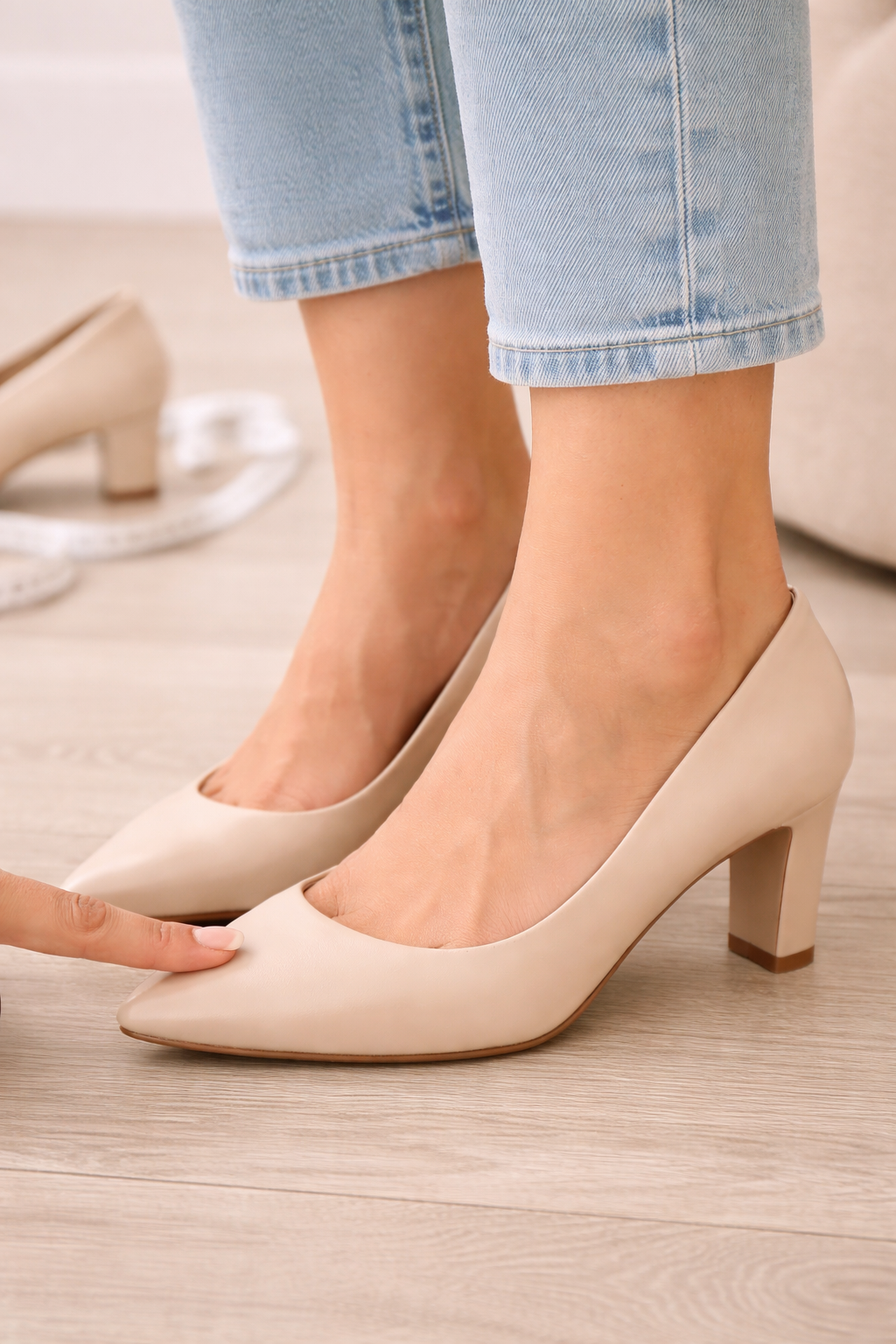
- Not trying the shoe on
Avoiding these mistakes saves you fatigue and money.
In Summary
Knowing The Best and Most Common Shoe Materials on the Market helps you choose a comfortable shoe that will last you longer.
Genuine leather remains the best choice for comfort and quality, but other materials have their own uses depending on your needs.
Always focus oncomfort and quality before appearance.





Leave a comment