
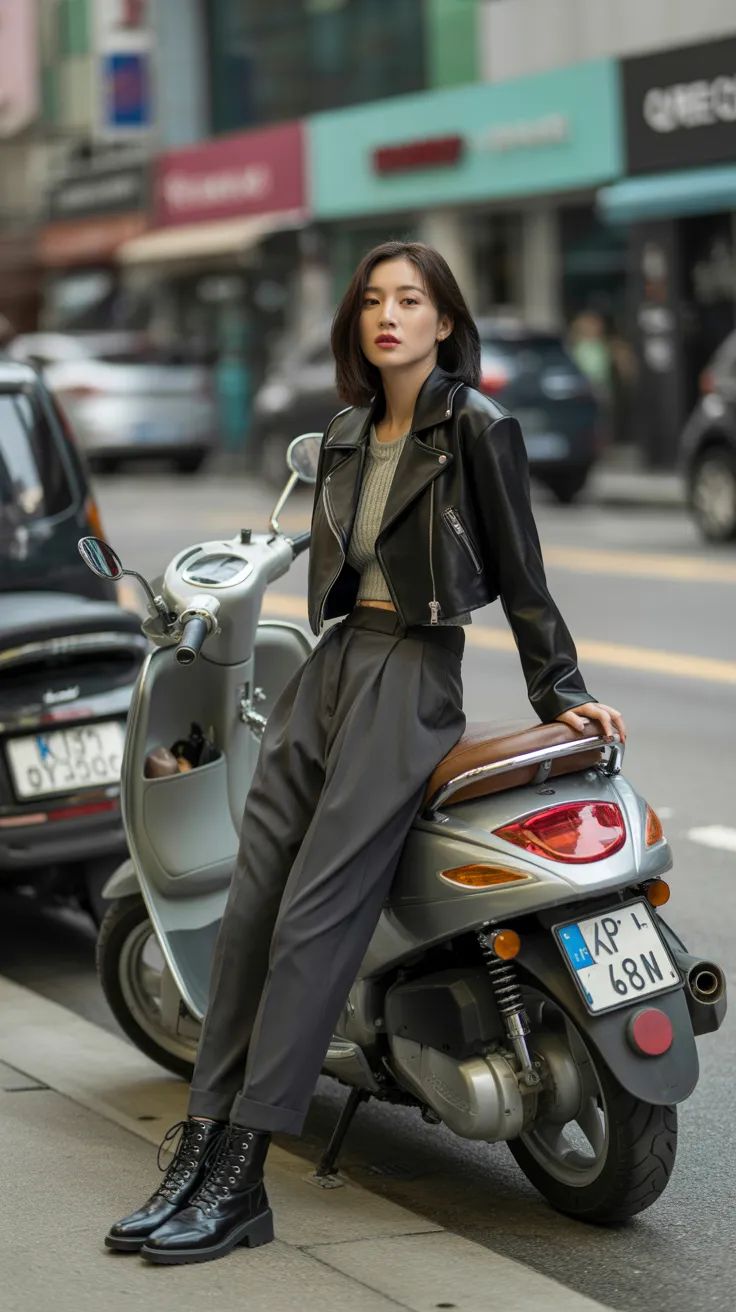
Introduction: Have you ever thought about why you feel tired even though your shoe is pretty?
Many women fall into the trap of choosing a shoe based only on its shape, completely ignoring the "stage" on which their feet are going to move. The scientific fact is that your foot's response to the floor is completely different between walking on polished office marble, uneven street sidewalks, or even a carpet at home. Choosing the shoe suited to the floor type isn't pampering, but the only guarantee for protecting your joints and your back's comfort.
1. Walking on hard surfaces (concrete and asphalt)
In daily life, most of our movement is on street sidewalks or inside malls. These floors don't absorb shocks, meaning your foot absorbs the full impact with every step.
- The ideal shoe: This is where the value of handmade genuine leather shoescomes in. Genuine leather is characterized by a high ability to “breathe” and by flexibility, which reduces the pressure of the hard surface on the foot.
- Expert tip: Look for shoes with medium-flexibility soles that provide a layer of insulation between you and the hardness of the floor.
2. Office work environments (marble and ceramic)
These floors are very smooth but “deceptive”. Walking on them for long periods causes small, unnoticeable slips that tire the leg muscles.
- The ideal shoe: “Loafers” or “Ballerinas” made of soft genuine leather. The handiwork here ensures a flexible sole that matches the curves of the foot, giving excellent grip on smooth surfaces.
- The competitive advantage: Genuine leathers prevent foot sweating that can be caused by continuous friction with ceramic in summer.
3. Uneven terrain and gardens
If you're walking in a place with green areas or rocky ground, your foot needs "lateral support" to prevent an ankle sprain.
- The ideal shoe: Shoes with laces or a design that covers a larger part of the foot. The handmade genuine leather shapes itself over time to your personal foot shape, creating a “mold” that protects you from lateral injuries on rough terrain.
4. Why is handmade the solution for all floor types?
In large factories, soles are made in rigid plastic molds that don't distinguish between one floor and another. But inHandmade shoes:
- Weight distribution: The tilt angles are studied to ensure an even distribution of body weight, so you won't feel painful pressure points.
- Sole quality: Natural soles or hand-processed rubber are usually used, absorbing shocks 3 times more effectively than synthetic materials.
- Leather flexibility: The genuine leather stretches and contracts with your foot's movement, turning it into a natural "hydraulic helper" that absorbs the rigidity of any floor you walk on.
The connection between the shoe and overall health
Ignoring the type of floor when choosing a shoe leads, in the long run, to problems in the lumbar vertebrae and knee pain. Genuine leather isn't just a luxurious look, but a living material that responds to your surroundings, providing the thermal and mechanical insulation you need.
In summary: invest in your comfort
Before you buy your next shoe, ask yourself: “where am I going to wear this shoe most of the time?”. If your answer includes a lot of movement and prolonged standing, there's no substitute for a handmade genuine leather shoe.






Leave a comment