
Introduction
Many girls buy a shoe that looks pretty, but after the first day of wearing it, they discover it's tiring and causes foot pain. The problem is usually not just about size, but in thesmall details that determine whether a shoe is comfortable or not. That's why it's important for you to know the signs of a comfortable shoe before you buy it, not after you've worn it. In this article, we'll explain the most important signs to look out for in order to choose the right shoe.
1. Comfort from the first wear
The most important sign that a shoe is comfortable is that it's comfortable from the very first time.
If you felt:
- Pressure
- Pain
- Friction at the heel
it's a sign that this shoe is not comfortable, and it won't become more comfortable over time, as many people think.
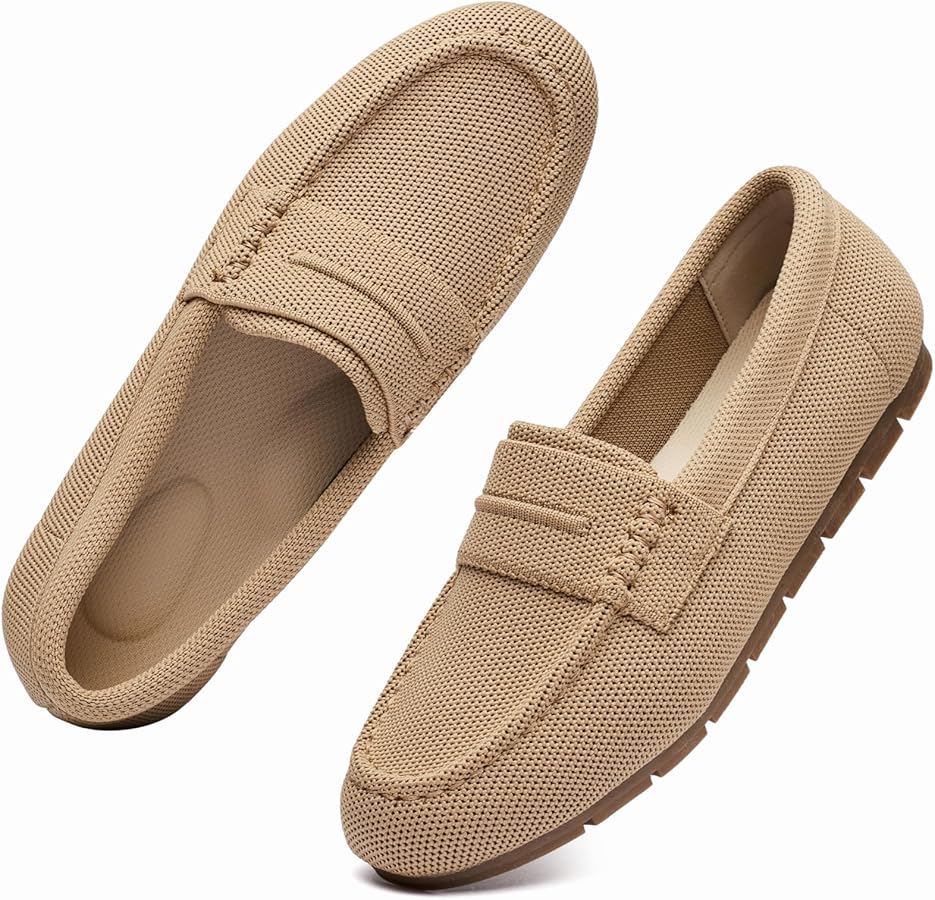
2. A flexible, cushioned sole
The sole is the foundation of comfort.
A comfortable sole should be:
- Flexible, not stiff
- With a cushioning layer
- Absorbs shocks while walking
- Not slippery, so you don't slip
A stiff sole tires the foot even if the shoe looks pretty.
3. Foot stability inside the shoe
A comfortable shoe stabilizes the foot well.
Pay attention to:
- The heel doesn't slip out while walking
- The foot doesn't shift inside the shoe
- The shoe isn't too wide or too narrow
Stability saves a lot of effort while walking.
4. Comfortable room for the toes
One of the most important signs many people miss.
A comfortable shoe:
- Has a little room before the toes
- Doesn't press on them
- Doesn't leave the toes cramped
Overly pointed shoes cause fatigue even if the size is right.
5. A breathable material
The material greatly affects comfort.
The best materials:
- Genuine Leather
- Soft materials on the inside
- A comfortable lining
A material that doesn't breathe causes sweating and pain after just a few hours.
6. The shoe's weight
Weight plays a big role.
- Heavy shoe → fatigue
- Too-light shoe → weak support
The best choice is a medium weight that provides stability without tiring the foot.
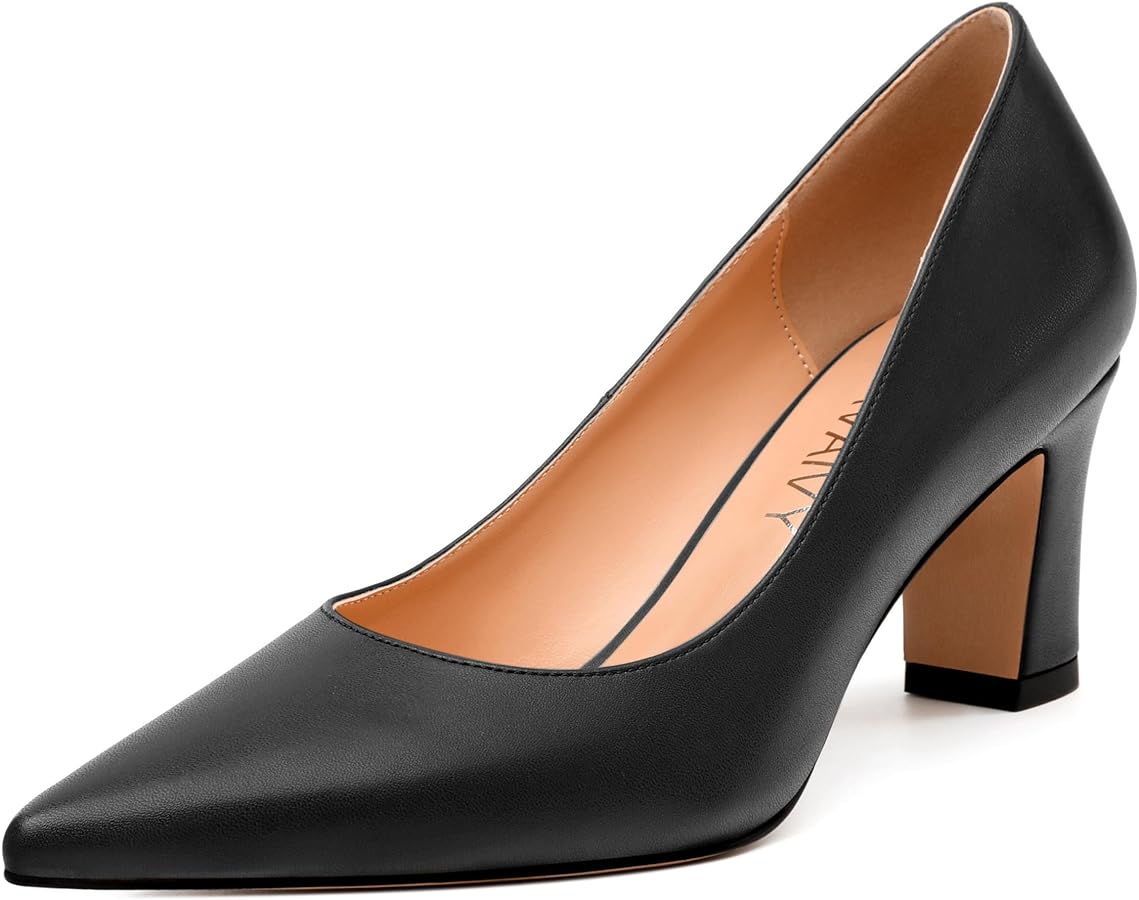
7. A suitable height
For everyday use and errands:
- Flat shoes or a lower heel are more comfortable
- A medium, wide heel can be comfortable
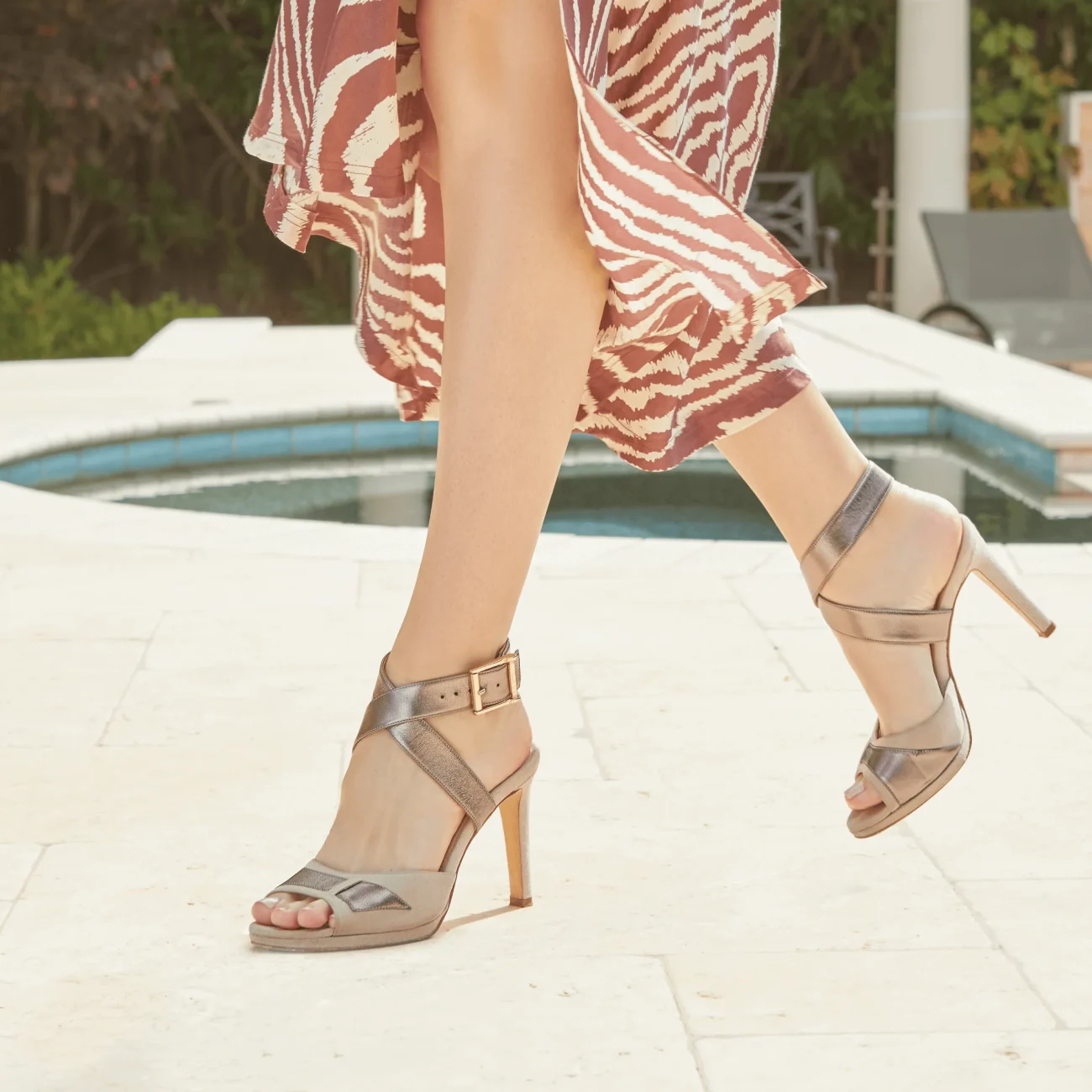
- A high heel isn't suitable for extended wear
Comfort always goes with a reasonable height.
8. No noise or friction
A sign many people don't notice.
If the shoe:
- Makes noise
- Rubs on the inside
- Presses on the foot
it's usually not a comfortable choice.
Common mistakes to avoid
- Choosing a shoe based on looks alone
- Buying a narrow size hoping it will”stretch out”
- Skipping trying to walk in the shoe
- High heels for everyday use
In Summary
A comfortable shoe has clear signs, and if you pay attention to them, you'll save yourself a lot of fatigue.
Always choose a shoe that:
✔️ Is comfortable from the very first wear
✔️ Has a flexible sole
✔️ Is stable on the foot
✔️ Has good material
A comfortable shoe isn't a luxury, it's the foundation of your comfortable day.




Leave a comment